International conference · AI, education and citizenship
AInnovaLAB
2026
The AinnovaLAB CitizenAI Forum is an international conference focused on the role of artificial intelligence in education, social innovation, and citizen participation.
It brings together researchers, teachers, and professionals to explore new forms of learning and collaboration in the digital society.
It brings together researchers, teachers, and professionals to explore new forms of learning and collaboration in the digital society.
1st International Conference
AInnovaLAB
October 8 and 9, 2026
Hybrid format
Hybrid format
A space for knowledge,
dialogue and innovation.
dialogue and innovation.
AinnovaLAB is an international academic space aimed at analyzing the impact of generative artificial intelligence on educational and social processes.
The event proposes an innovative format in which each contribution becomes an interactive space for knowledge, combining multimedia content and academic debate.
The event proposes an innovative format in which each contribution becomes an interactive space for knowledge, combining multimedia content and academic debate.
Education
Active learning to respond to today’s social, digital and human challenges.
Artificial Intelligence
Critical, ethical and responsible use of AI in education and society.
Innovation
New ideas and solutions to transform education and connect knowledge.
Would you like to participate in AInnovaLAB 2026?
Share your research, experience, or proposal on education, innovation, and artificial intelligence at an international conference aimed at rethinking learning and citizen participation in the digital age.
AInnovaLAB 2026 is aimed at researchers, educators, education professionals, and people involved in technological and social innovation.
AInnovaLAB 2026 is aimed at researchers, educators, education professionals, and people involved in technological and social innovation.
Phase
01
01
Submit your academic abstract
Submit a proposal related to the conference’s thematic areas.
Phase
02
02
Scientific evaluation
The Scientific Committee will review the proposals received and notify the selected proposals of their acceptance.
Phase
03
03
Recording and presentation of the paper
Accepted proposals will be included in the official program and presented in virtual audiovisual format.
Conference Presentation
AInnovaLAB
2026
International academic conference to reflect on the role of artificial intelligence in education, social innovation and citizen participation.
International conference · Hybrid format
8 and 9
October 2026
Dear colleagues, academics and education professionals
AinnovaLAB for Educational and Citizen Innovation with AI was created as an international academic space dedicated to thinking, sharing, and projecting new forms of learning in the digital age.
The conference will bring together researchers, educators, and professionals interested in analyzing the opportunities and challenges posed by generative AI in transforming teaching and learning processes.
The conference will bring together researchers, educators, and professionals interested in analyzing the opportunities and challenges posed by generative AI in transforming teaching and learning processes.
An open forum for sharing knowledge
AinnovaLAB connects research, professional experience, and educational innovation to foster critical, ethical, and inclusive digital citizenship.
ISBN
Academic publication
Accepted proposals will be included in the official program and presented in virtual audiovisual format.
Official certification
Participants will receive the corresponding certificate of participation and paper presentation at the conference.
Conference Objectives
Objectives of
AInnovaLAB
A conference to analyze the impact of artificial intelligence on education and society, promote pedagogical innovation and foster international scientific cooperation.
A roadmap for thinking about AI from the perspective of education.
The objectives of AinnovaLAB bring together research, innovation, ethics, international cooperation, and knowledge transfer.
The conference proposes an international academic space for reflection, analysis and scientific exchange on the impact of artificial intelligence in the educational and social spheres.
Its purpose is to bring together research, experiences and proposals that help build a more inclusive, critical, ethical, sustainable education connected to the challenges of digital society.
Its purpose is to bring together research, experiences and proposals that help build a more inclusive, critical, ethical, sustainable education connected to the challenges of digital society.
Main objectives
Each objective connects one dimension of the conference: research, educational innovation, ethics, cooperation,
digital citizenship and academic dissemination.
digital citizenship and academic dissemination.
01
Create an international academic space
Generate an environment for reflection, analysis and scientific exchange on the impact of artificial intelligence on education and society.
02
Promote educational research
Promote the study and dissemination of research on educational innovation, digital transformation and emerging technologies applied to learning.
03
Foster innovative pedagogical proposals
Support initiatives that contribute to more inclusive, ethical and sustainable education adapted to today’s challenges.
04
Promote critical debate on AI
Analyze the ethical, social and cultural implications arising from the use of generative artificial intelligence.
05
Strengthen international cooperation
Create academic and scientific collaboration networks among researchers, teachers, institutions and professionals.
06
Showcase experiences and good practices
Raise awareness of projects linked to digital citizenship, social participation and the responsible use of artificial intelligence.
07
Disseminate scientific knowledge
Contribute to academic transfer through the digital publication of accepted contributions with ISBN and DOI.
Thematic areas
Thematic areas of
AInnovaLAB
The conference invites submissions of research, experiences and good practices on artificial intelligence, educational innovation, digital citizenship and social transformation.
An open framework for thinking about AI from the perspective of education and society.
Papers may address theoretical studies, empirical research, applied experiences, institutional projects or interdisciplinary proposals related to the conference tracks.
Education
Artificial Intelligence
Innovation
Digital citizenship
Thematic areas
Select the track that best fits your academic or professional proposal.
00
Human supervision (human-in-the-loop) for the adaptation and personalization of LLM models
01
Generative artificial intelligence applied to education.
02
Educational innovation and digital transformation.
03
Active methodologies and learning mediated by emerging technologies.
04
Ethics, algorithmic bias and responsible use of artificial intelligence.
05
Inclusion, accessibility and equity in digital educational environments.
06
AI and social transformation: participation, inclusion, and empowerment.
07
Teachers’ digital competence and teacher training.
08
Learning analytics and educational personalization through AI.
09
Creativity, critical thinking and new learning ecologies.
10
Technical development of custom LLMs: RAG, fine-tuning, and prompting.
Conference format
An international conference
virtual, flexible and free
The conference invites submissions of research, experiences and good practices on artificial intelligence, educational innovation, digital citizenship and social transformation.
01
Virtual format
The conference will take place on an interactive digital platform to encourage international participation.
02
Digital papers
Accepted contributions will be presented through prerecorded oral presentations in digital format.
03
Debate and exchange
Each contribution will include an interaction space to promote collaborative reflection and academic networking.
Programa del congreso
Conference Program
Activities scheduled for October 8 and 9, 2026.
Day 8
October 8
12:00 – 12:15
Conference Opening
Official opening of AinnovaLAB 2026 by the Scientific Director of the conference, Dr. Roberto Feltrero.
12:15 – 13:15
Opening keynote
Dr. Ismaila Sanusi, University of Eastern Finland, Finland.
16:30 – 17:15
Invited keynote
Dr. Ángel Carlos Herrero Lastra, Nebrija University
“Artificial Intelligence in the classroom: teacher profiles, training gaps and large-scale evidence.”
17:30 – Dia 9 17:00
Educational innovation symposium
Session presenting innovative projects with generative artificial intelligence.
Day 9
October 9
9:00 - 17:00
Oral Communications (EN)
Presentation sessions and discussion spaces for authors and attendees.
10:00 – 10:45
Invited keynote
Dr. Carlos Escaño, University of Seville, Spain.
“Education, Arts and Artificial Intelligence: I have seen things you people would not believe.”
11:00 – 17:00
Papers
Presentation and exchange sessions among authors and attendees.
17:00 – 17:45
Invited keynote
Dr. Mauricio Sandoval, University of Cartagena, Colombia.
“Artificial Intelligence and the Technocene: a boundary problem between metaethics and the democratization of knowledge.”
18:00 – 18:15
Conference closing
Farewell and final reflections.
Featured speakers
Featured conference speakers
AInnovaLAB
Expert voices that inspire, connect and open up new perspectives on education, innovation and artificial intelligence.
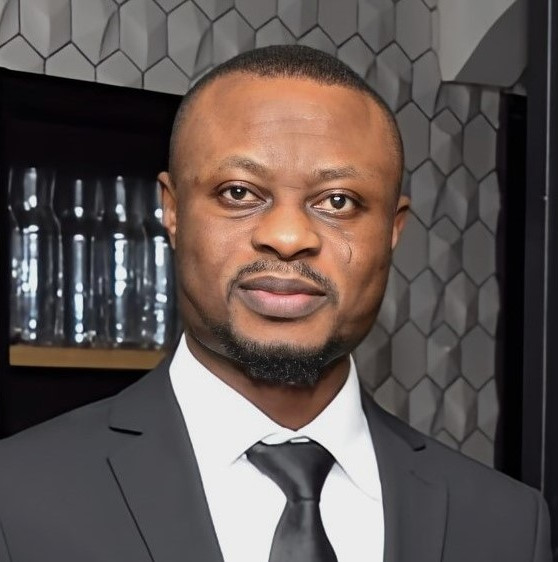
Dr. Ismaila Sanusi
Postdoctoral Researcher
School of Computing, Faculty of Science, Forestry and Technology.
University of Eastern Finland, Finland
Educational Uses of Machine Learning and GenAI: From Generating Content to Generating Learning.
Biography:
Ismaila Temitayo Sanusi earned his PhD from the University of Eastern Finland. He specializes in computer science education, educational technology and technology education. His research spans international contexts and focuses on the co-design of innovative and constructionist learning technologies and materials for primary and secondary school students.
He develops artificial intelligence tools and competency models to support curriculum integration, along with teacher training resources that introduce students to AI from an early age, thereby helping to build an AI-ready workforce and foster future technology creators. He also serves on the editorial boards of journals specializing in computing, technology and education.
In 2025, he was included in the Stanford/Elsevier list of the world’s top 2% most influential scientists.
He develops artificial intelligence tools and competency models to support curriculum integration, along with teacher training resources that introduce students to AI from an early age, thereby helping to build an AI-ready workforce and foster future technology creators. He also serves on the editorial boards of journals specializing in computing, technology and education.
In 2025, he was included in the Stanford/Elsevier list of the world’s top 2% most influential scientists.

Dr. Carlos Escaño
Full Professor
Department of Art Education
University of Seville, Spain
Education, Arts and Artificial Intelligence: I have seen things you people would not believe
Biography:
Full Professor of Art Education at the University of Seville. PhD in Fine Arts (1999, University of Seville) and PhD in Education and Communication in Digital Environments (2017, UNED). Visiting researcher at New York University (USA) (2023–2024); director of the Education and Audiovisual Culture Research Group; principal investigator of the R&D&I project Online Inclusive Art Education (PID2021-127124OB-I00); and of international cooperation projects in India (2015–2018) and Greece (2019). Selected recent publications: the articles Inclusive Art Education and Artificial Intelligence (Arte, Individuo y Sociedad, 2026) and Die Mensch-Maschine: Visual Dialogue Between a Human and an Artificial Intelligence (Postdigital Science Education, 2024), and the monograph Pedagogías de la mirada (2022).

Dr. Mauricio Sandoval
Doctoral Program Director
Educational Innovation and Digital Culture
University of Cartagena, Colombia
Artificial Intelligence and the Technocene: a boundary problem between metaethics and the democratization of knowledge
Biography:
He earned his PhD in Education from the University of Salamanca. His career includes the management and proposal of educational public policies in the field of technopedagogy for teacher education in Colombia. His research falls within the areas of educational history, technodidactics, disruptive methodologies and metaethical phenomena in Artificial Intelligence. He is part of the RUECA-Colombia research group, categorized as A1.

Dr. Ángel Carlos Herrero Lastra
Master’s Degree Director
University Master’s Degree in Research in Mathematics Teaching and Learning
Faculty of Languages and Education
Nebrija University, Spain
Artificial Intelligence in the classroom: teacher profiles, training gaps and large-scale evidence.
Biography:
Ángel Carlos Herrero Lastra holds a PhD in Systems Engineering and Computer Science and is Director of the University Master’s Degree in Research in Mathematics Teaching and Learning at Nebrija University, where he also works as a researcher and lecturer in the Master’s Degree in ICT in Education and in the Master’s Degree in Teacher Training. He coordinates Mathematics and ICT courses in the Primary and Early Childhood Education degrees, as well as in the Master’s Degree in Teacher Training. He combines this activity with his teaching work in Vocational Education and Training, where he develops technology integration projects in industrial environments. He is an active member of the Quality and Equity in Education Research Group (CE-Ed) at Nebrija University, through which he conducts research on Artificial Intelligence in education, with scope across multiple international education systems. His research focuses on the analysis of large-scale educational data using latent class analysis and multilevel models. He is the author of the book IA Modo Eficiente and a communicator on applied artificial intelligence.
Committee
Committee
AInnovaLAB
An academic and professional team committed to the quality, strategic vision and rigor of the AInnovaLAB International Conference.
Organizing Committee
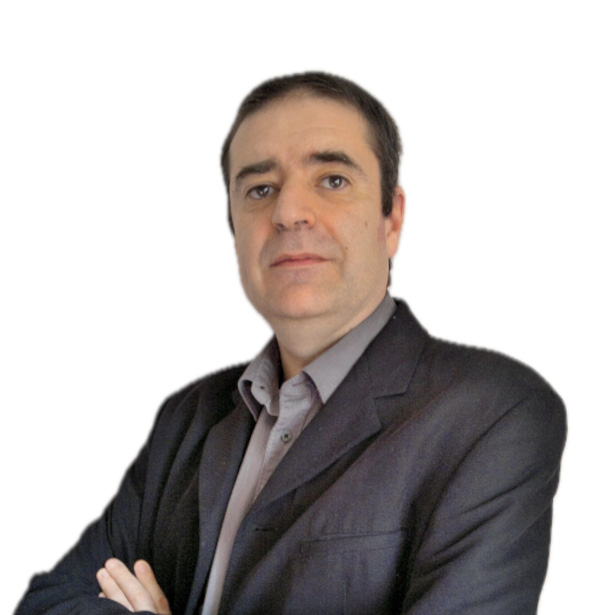
Dr. Roberto Feltrero
Scientific Director
University of Salamanca
University of Salamanca
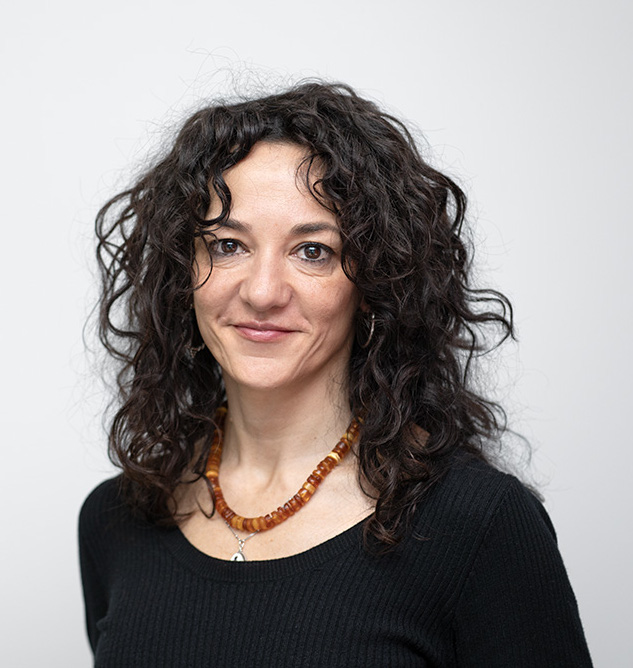
Dr. Paz Peña
Coordination and management Nebrija University


Scientific Committee
Dr. Adekunle Olusola Otunla
Associate Professor at Lead City University, Nigeria
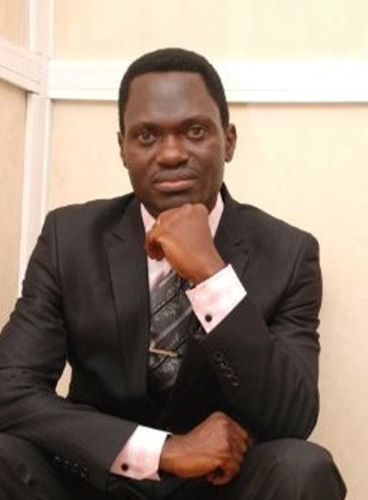
Dr. Sunday Adewale Olaleye
CETES, Associate Professor at USAL
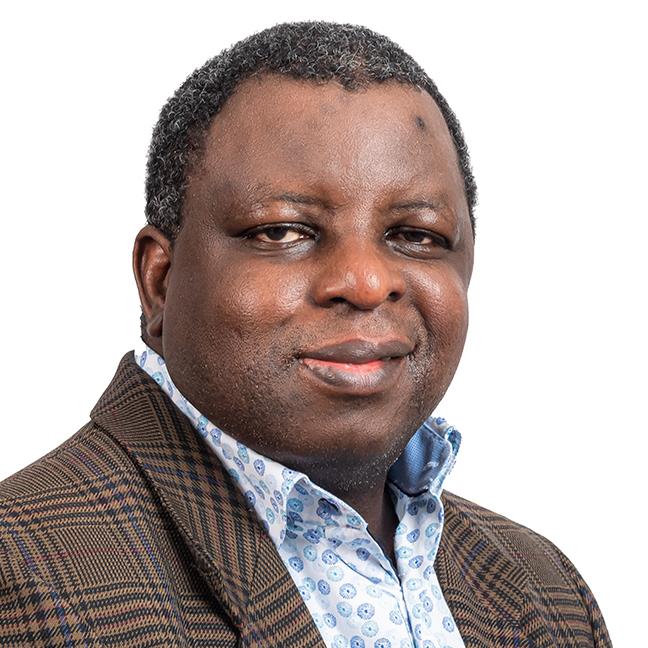
Dr. Kehinde Aruleba
Associate Professor at the University of Leicester, United Kingdom

Dr. Fitsum Deriba
Wachemo University, Ethiopia

Dr. George Obaido
University of California, Berkeley
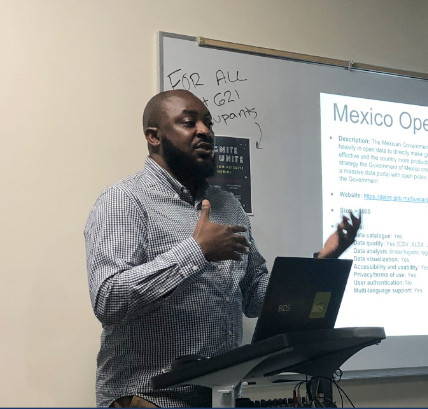
Dr. Wajdi Aljedaani
Saudi Data & Artificial Intelligence Authority
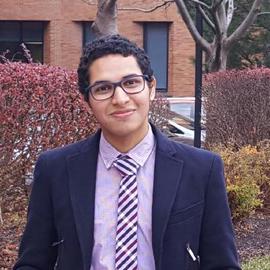
Dr. José Manuel Muñoz Rodríguez
GIPEP, Full Professor at USAL
Dr. Sara Serrate González
CETES, Associate Professor at USAL

Dr. Judith Martín Lucas
Permanent Lecturer at USAL

Dr. María Luján Lazaro Herrero
Permanent Lecturer at USAL

Dr. Luis Eduardo Andrade Silva
Assistant Professor at USAL

Dr. Liliam del Carmen Cuartas López
University of Cartagena-Colombia

Dr. Víctor Alfonso Escobar Ramírez
University of Cartagena-Colombia
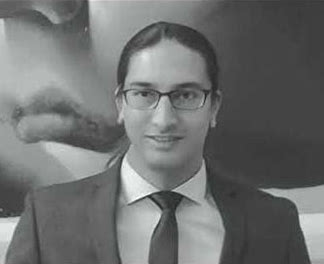
Dr. Manuel Fernando González Cuevas
University of Cartagena-Colombia
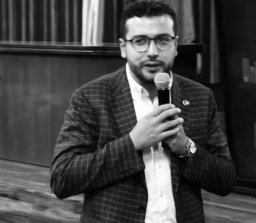
Dr. Beatriz Juárez Escribano
Director of the ICT Master's Programme at Nebrija

Dr. Raquel Graña Oliver
Professor at Nebrija University

Dr. Kamila Assis de Abreu
Professor of Law, State University of Bahia